Use cases
Five jobs, and the situations that look like yours.
Organised by what somebody is trying to do rather than by what kind of group they belong to. Most people end up doing more than one of these, and often in the same year.
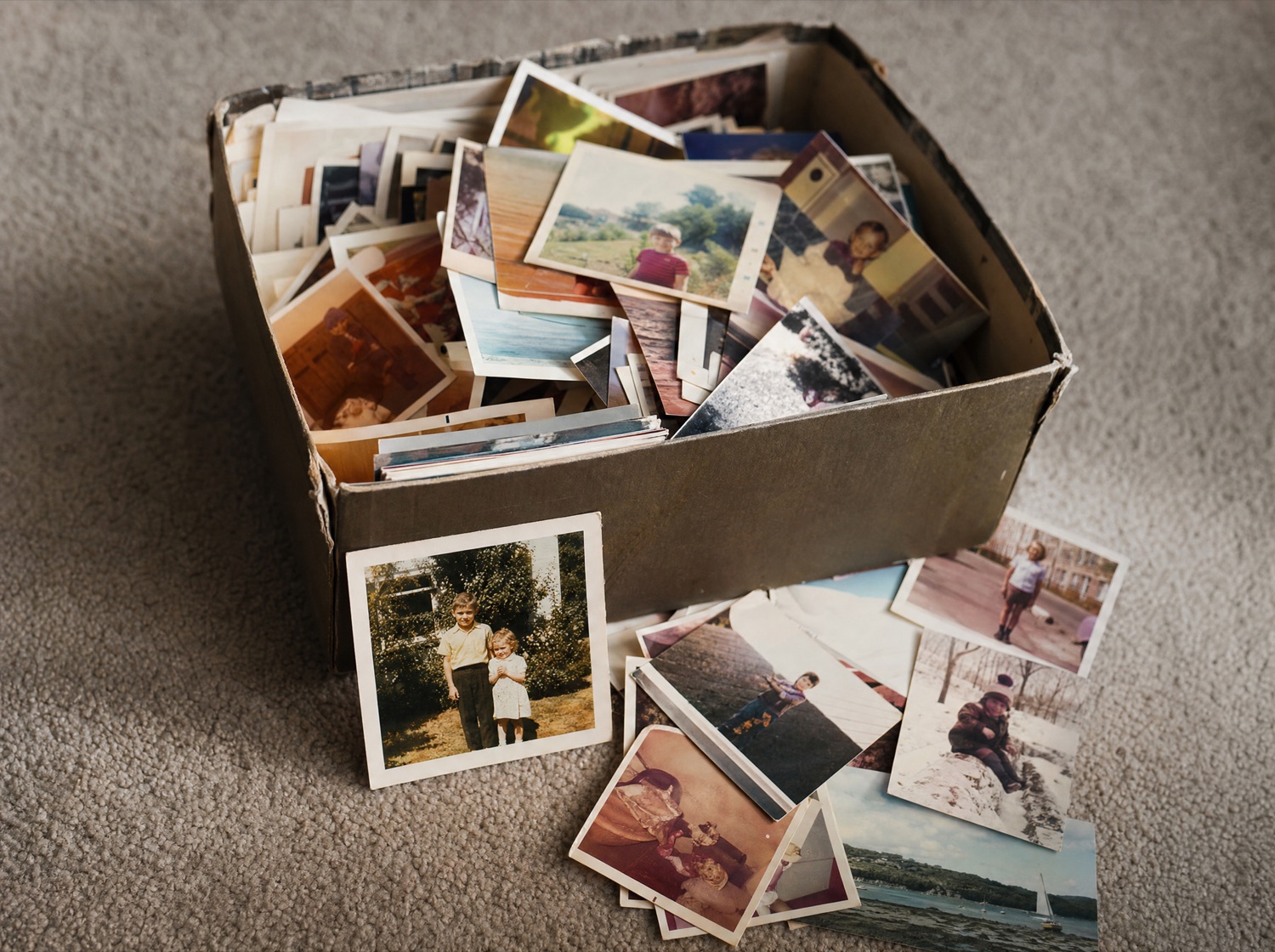
Preserve and restore
Material that already exists and is deteriorating, in one place and in one condition.
A family collection, kept on your own
Inherited boxes, loose prints and albums nobody has sorted. Bring in nobody, if you would rather. A Circle can stay at one member.
The whole collection in one place, catalogued while you still recognise the faces.
Damaged, faded and torn prints
Creases, water damage, colour that has shifted past use. Bring in whoever holds each print, and whoever can name the people in it.
The damage mended, with the original kept untouched beside it.
Preparing a photo for a frame or an album
A square print and a landscape frame, and a crop that loses somebody. Bring in whoever is giving it, and whoever is receiving it.
A version prepared at the proportions the frame actually needs.
One person, followed through their ages
Each decade held by whoever was closest at the time. Bring in family, friends, colleagues, neighbours.
A life that can be read forwards, not a folder sorted by filename.
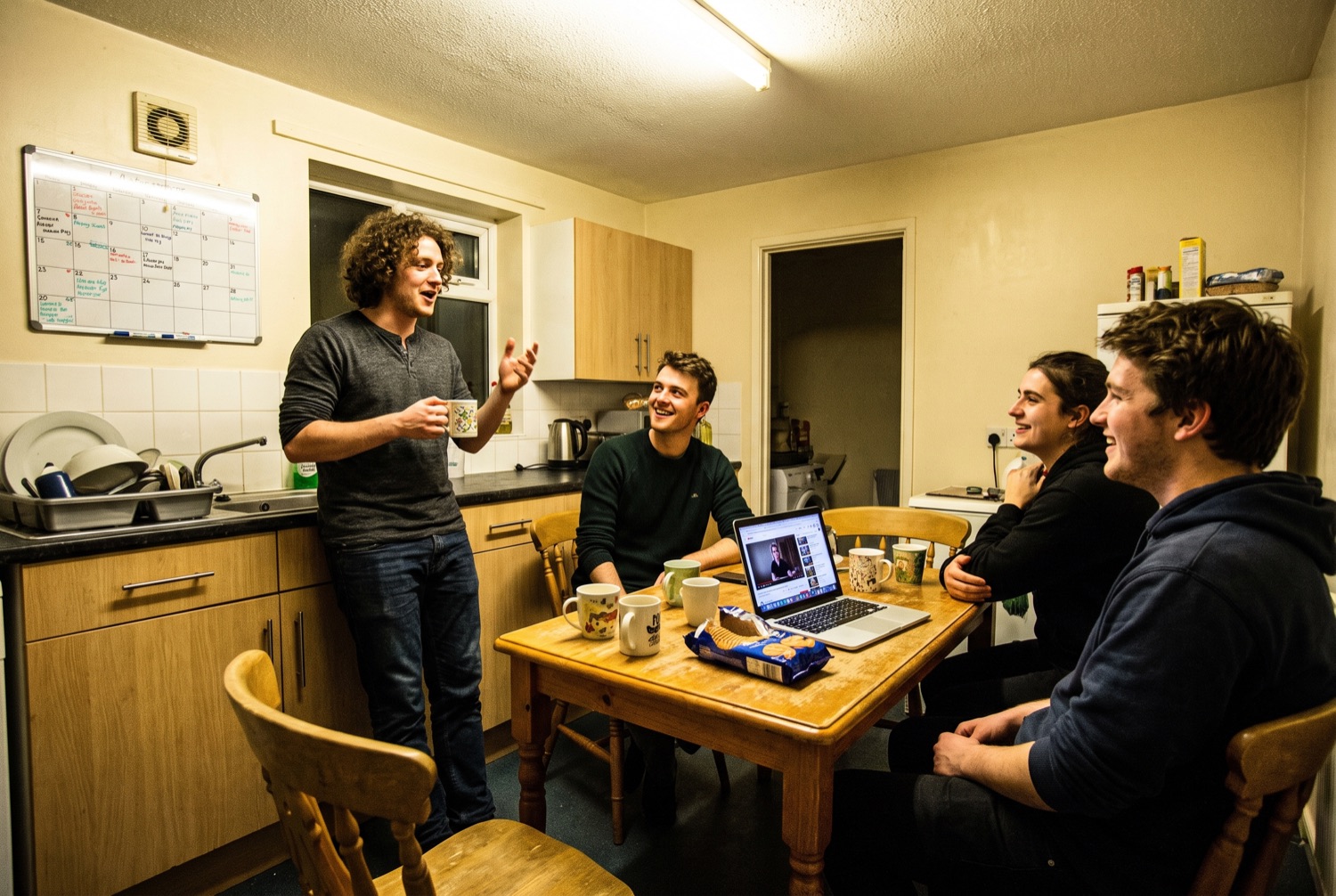
Remember together
More than one person holds part of it, and no single account is complete.
A family living across countries
Inherited boxes in one country, phone photos in three others. Bring in siblings, cousins, aunts and uncles, whoever holds a box.
One archive nobody has to travel to see.
A wedding, from every camera that was there
The official set, plus hundreds of guest photos nobody collected. Bring in the couple, both families, every guest who took a photo.
The moments the couple never saw, in one place.
Reunions, birthdays and anniversaries
Photos from across decades, held by different parts of a family. Bring in everyone invited, and everyone who could not come.
A gift that keeps growing after the day.
Carers and an older relative, working together
Familiar photos with nobody left to name the people in them. Bring in relatives, trusted carers, old friends.
Familiar images connected to names, places and stories, in their own voice.
Preserving the memory of someone lost
Photos and stories held separately by everyone who knew them. Bring in family, friends, colleagues, neighbours.
A record of a life, gathered by the people who shared it.
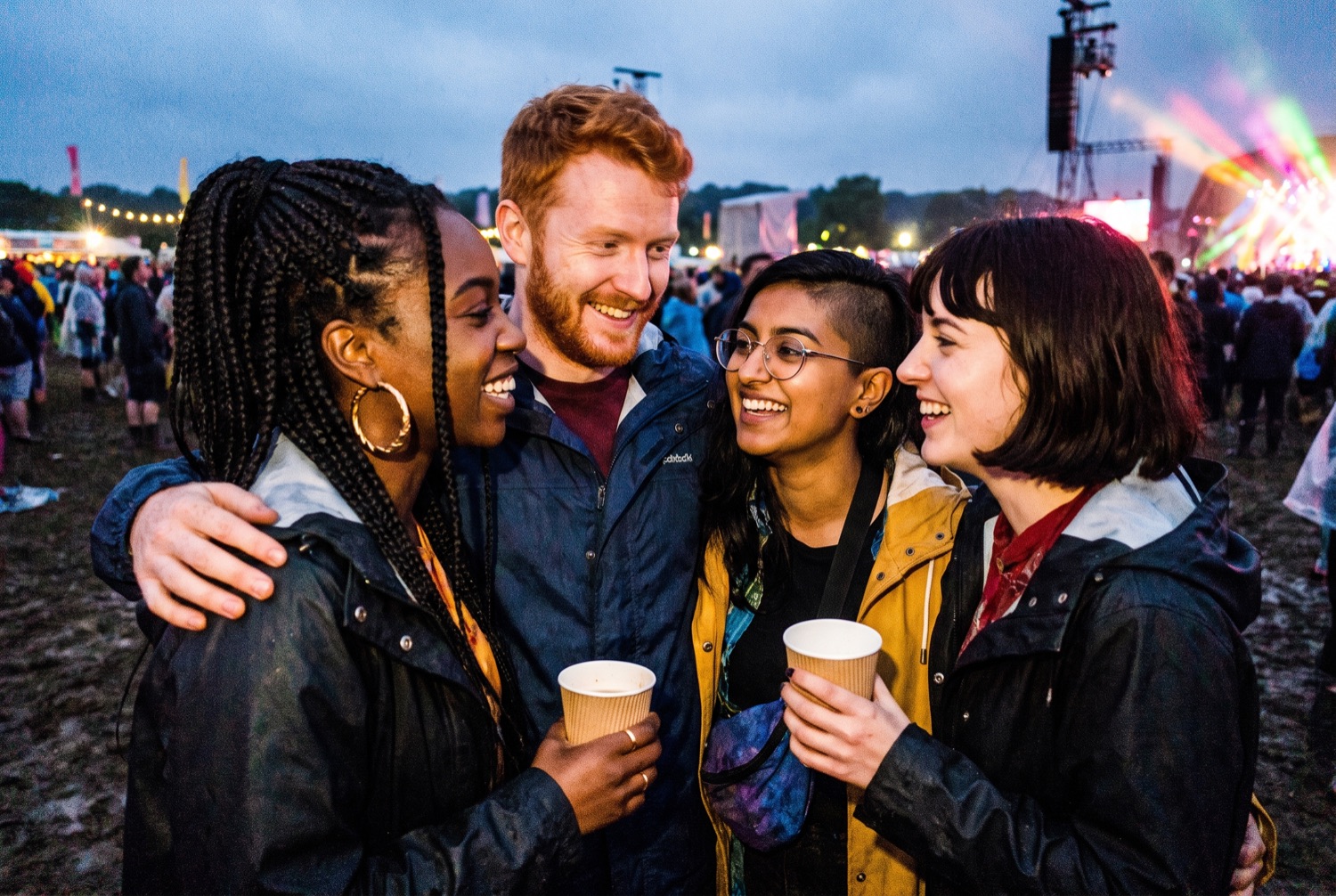
Keep life as it happens
Nothing here is old yet. That is exactly why it is at risk.
A friendship group, year after year
Thirty years of photos split across six phones and two shoeboxes. Bring in the friends themselves, and anyone who was there for part of it.
A shared record of a friendship, told by everyone in it.
Festivals, trips and the same weekend every summer
Everyone captured a different half of it, on a phone they will replace. Bring in everyone who went, including the one who takes the best photos.
One Circle, an album for each year, and the whole trip rather than one version of it.
A university house or a shared year
A year that only exists in group chats which will be deleted. Bring in everyone who lived there, and whoever visited.
Something to open in twenty years, when everyone has scattered.
A new baby’s first year
Thousands of photos and no time at all to write anything down. Bring in both parents, grandparents, whoever else is holding the baby.
The details recorded while they are still obvious.
A club season as it is played
Team photos, shots from parents’ phones, a local paper clipping. Bring in players, coaches, parents, supporters.
A season preserved by the people who played it.
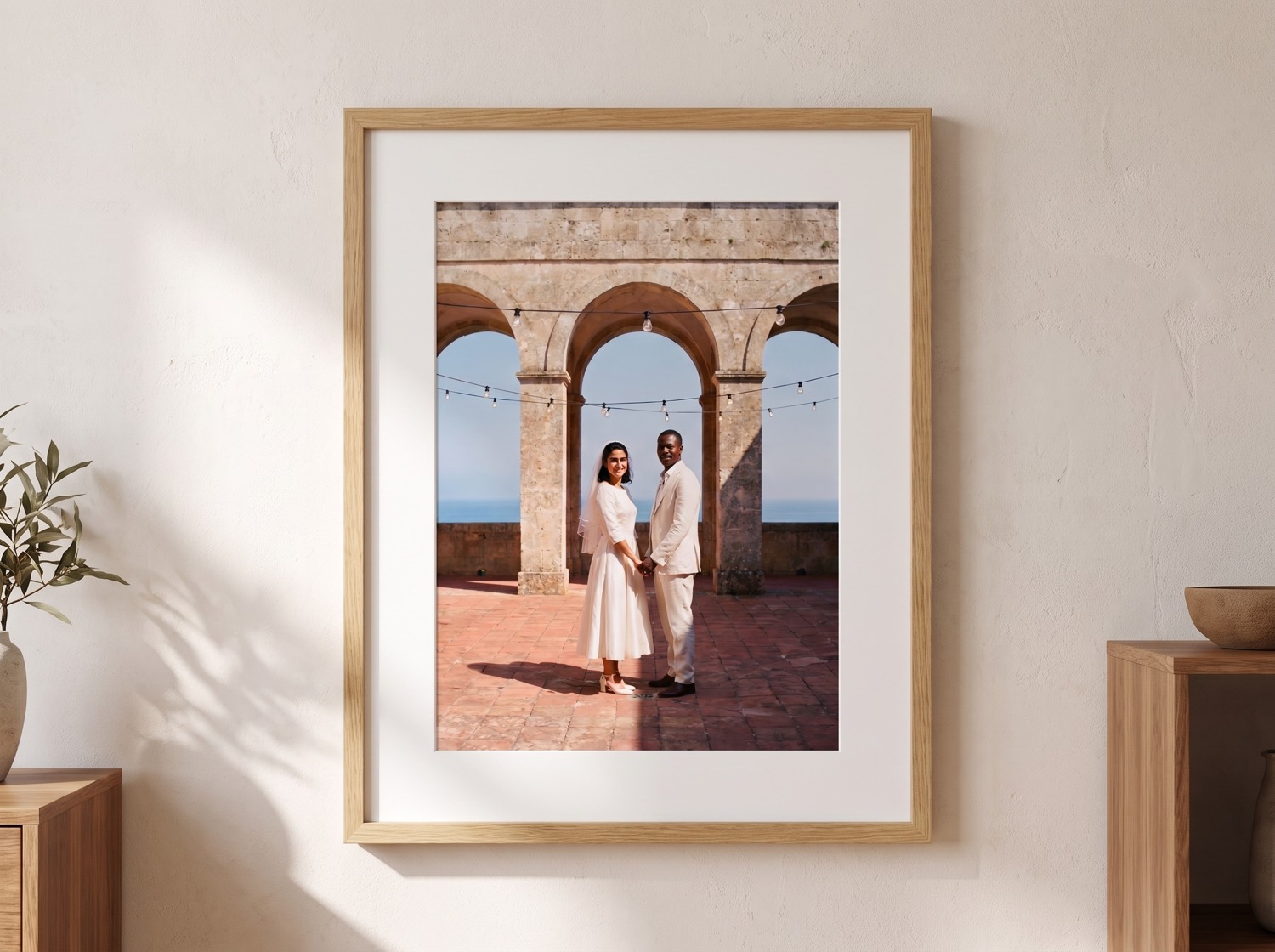
Revisit and create
The specific things people ask Cirluma to do, described as outcomes rather than features.
Restore a damaged face without inventing a stranger
A crease straight through the only good photo of someone. Bring in whoever has other photos of that person, at that age.
A face that comes back recognisably theirs, guided by a reviewed Likeness.
Hear an account in somebody’s own voice
What one person knows, written down nowhere. Bring in the person themselves, and whoever sits with them.
A recording attached to the photo it belongs to, credited to them.
Revisit a place from more than one angle
Four photos of four corners of the same room, taken the same afternoon. Bring in everyone who took pictures of the place.
A scene you can look around, kept beside the photos it was built from.
Invite people without giving everyone the same control
One relative who should not be able to delete anything. Bring in the Circle’s owner.
Contribution without control, decided per member.
Groups and institutions
Organisations whose memory currently lives in whoever happens to still be on the committee.
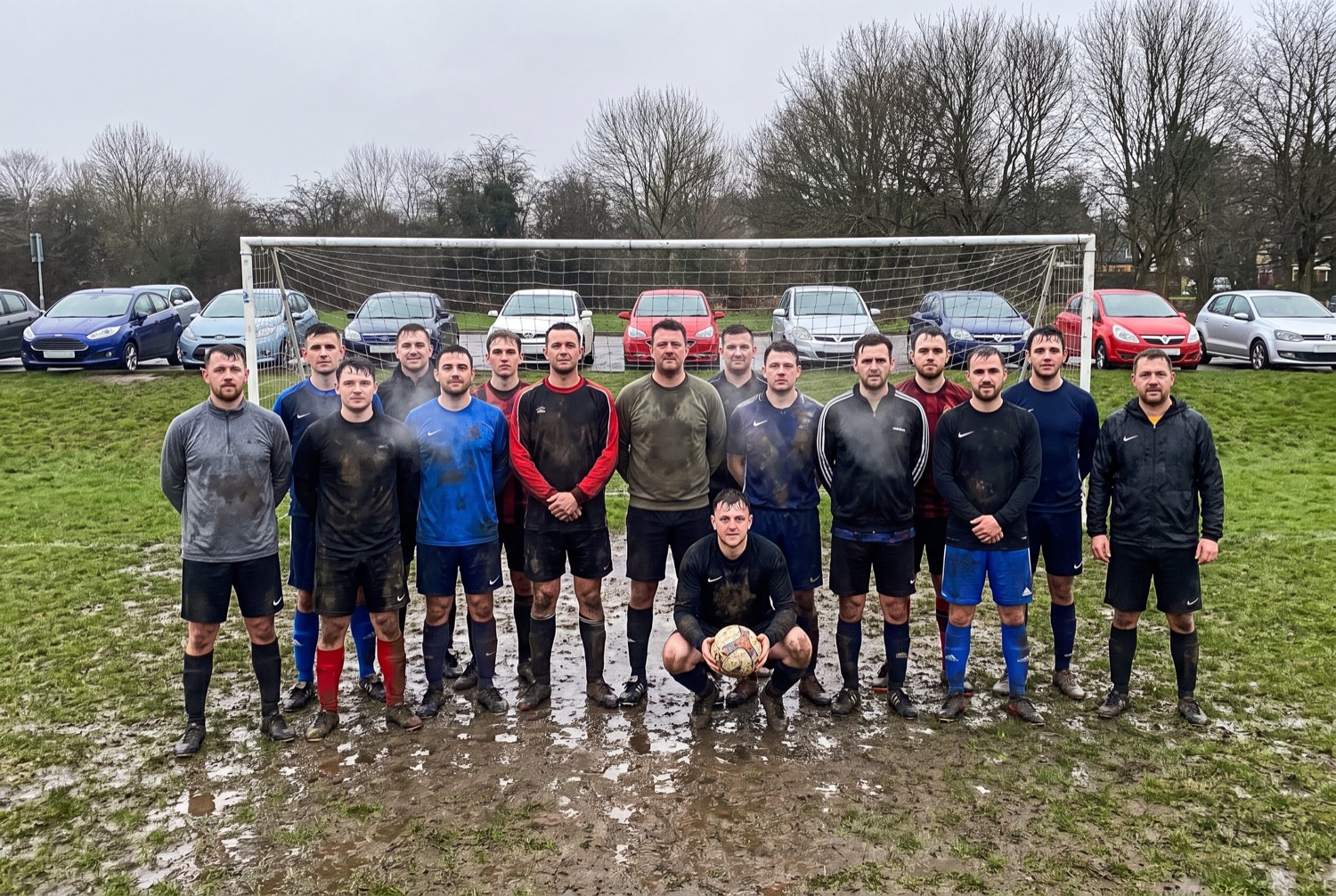
Sports clubs and former teammates
Decades of photos in personal lofts, no club archive. Bring in former players across every era.
A club history that outlives its committees.
Schools and alumni communities
Year groups scattered across the world. Bring in former pupils and staff, across every year.
A school’s history told by the people who went there.
Workplaces and the teams that dispersed
A building, a team and a decade nobody recorded. Bring in anyone who worked there, founders and early employees included.
An origin story with evidence.
Neighbourhoods, villages and congregations
A century of activity with no single custodian. Bring in residents and members past and present, and families who moved away.
An institutional memory that survives its committee.
Four of them, followed the whole way through.
Made-up Circles, written to show the shape rather than to prove anything. Each one names who belonged, what was scattered, what each person put in, and what it turned into.
Friends, every summer
Illustrative. Six festivals, four phones, an album for each August.
Margaret’s Circle
Concept. A family, a woman of eighty-seven and one invited carer, with the gaps named.
A club across generations
Illustrative. Fifty years of an amateur football club, and a fifteen-year-old who found his own surname on a 1974 team sheet.
Rosa and Femi, Trani 1987
Illustrative. One wedding, six members, and every creation tool the product has.
Not on this page?
These are examples, not templates. A Circle needs only two things: people who share a history, and something worth keeping. If your situation is not here, it still works.